By Mike Kephart AIA on October 17th, 2012
Mike Kephart
My wife and I have followed the presidential campaign like never before. We always vote for everything local, state and national. Obama is our candidate again this year. If we thought that Romney was believable we might give him full consideration, but that’s not the case. I feel that he must be lying, stretching the truth, or telling us what he thinks we want to hear. These feelings have grown deeper with every debate, Advertisement, or sound bite.
Obama, on the other hand, has not explained much of anything to us. We trust him and believe his intentions are the best for all of us but he will never swing those undecided or weakly committed to his side until he gives us more detail. I would like to know a few specifics on Medicare, Social Security, and the economy. He’s in the perfect place to deliver the bad news we all fear. Once elected he will never have to campaign again and would risk little by being totally open with his vision for the future with all its warts and odors. We know we have big problems to face!
Our grandson with us at 4
By Mike Kephart AIA on July 25th, 2012
Stories abound in their similarity and their variety. It’s common that plans are seldom made until the situation is worse due to unexpected illness or accident. My brother and I were unaware of our mom’s frailty until we found plates with leftover food in the cabinet with clean dishes. She had been plagued by mini-strokes that didn’t reveal themselves to us. Suddenly we had to face questions of where and how to care for her. We both lived far away. Mom had little money and no insurance for long term care. Neither of us had the space for her in our homes, so we sought institutions that we could afford and were acceptable to her.

By Mike Kephart AIA on April 14th, 2012
We understand that most buyers are looking for space for other family members in a home that is safe, comfortable and private. Where but in the home you already own can you do as little or as much as you need within the budget available.
Safety first, add grab bars, build ramps, and widen narrow doorways. Next is privacy, re-purpose rooms for family apartments, add an adu and zone uses to minimize noise intrusions.
By Mike Kephart AIA on March 5th, 2012
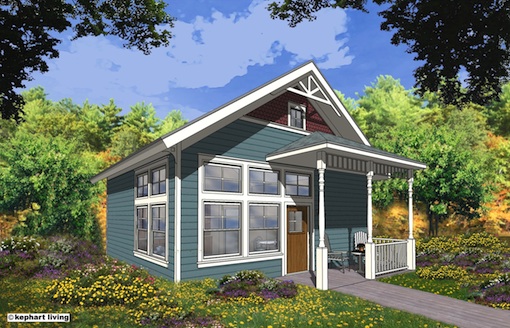
In-home ADUs or family apartments can be built within new or existing homes. These Granny flats may be used any number of ways just as detached ADUs except they may not be so controversial. The second apartment is indistinguishable from the primary home on the outside lacking any distinguishable elements such as entry doors, color or material changes, windows etc. Remodeling of an older home can achieve the same result in many cases.
By Mike Kephart AIA on January 17th, 2012
1.4 million boomer women who fish 16 million days each year are making their mark on one more of the last bastions of the good old boys.
By Judy Schriener on January 12th, 2012
We’re on Facebook and would love it if you would visit us there and “like” us. We’re also on Twitter and invite you to follow us there. We update both frequently with original posts and links to articles and stories that we think will be of interest to you. Some are ours, some are others’. Please join us at http://facebook.com/bldg4boomers and follow us at http://www.twitter.com/bldg4boomers. Thanks!
By Mike Kephart AIA on December 11th, 2011
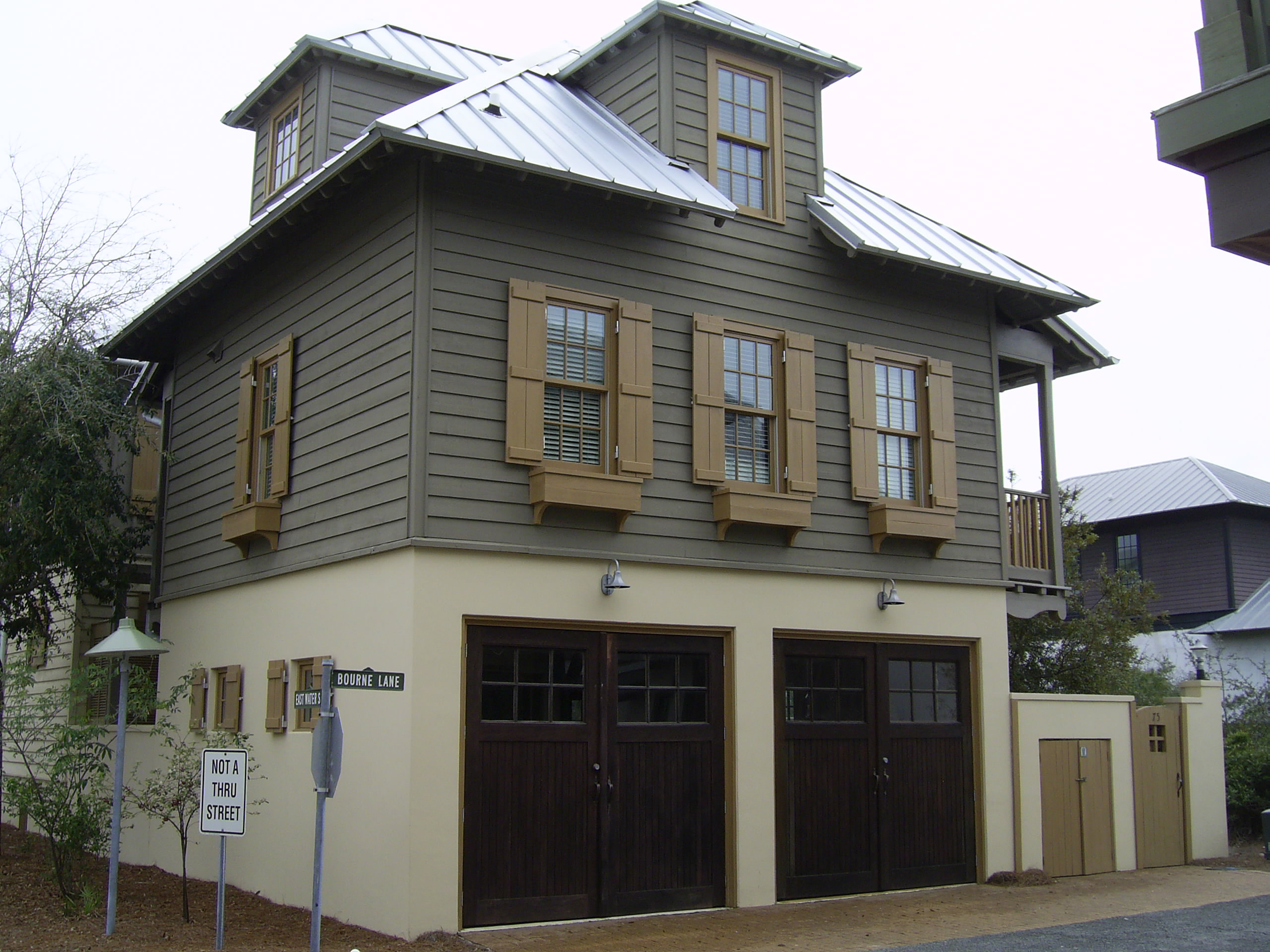
Seaside ADUs
Seaside Florida, a unique New Town on the Gulf Coast of the Florida panhandle, has matured since its inception 30 years ago. Seaside was a New Urbanism concept community design that you can read about on the community website. I’m most interested today in the large number of Accessory Dwelling Units that have been built. They are used as vacation cottages and marketed through their website. On the whole the cottages are above garages and very attractive though varied within the community style. Take a look at some of them here.
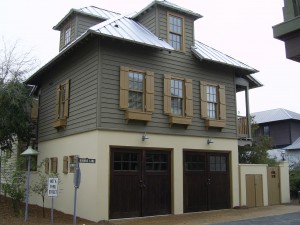
Seaside Carriage House
By Mike Kephart AIA on October 30th, 2011
A recent study focused on the 30% of baby boomers that are are single, over 23 million of them. 3000 single seniors are turning 65 every day and they don’t want to live alone for the rest of their lives. Dating and mating services are catering to this newly found market. We’ve been watching and waiting for this and now that it’s here some are acting surprised.  Actually this is only the canary in the coal mine, there’s more to come from the baby boomer crowd. Stay tuned.
By Mike Kephart AIA on July 3rd, 2011
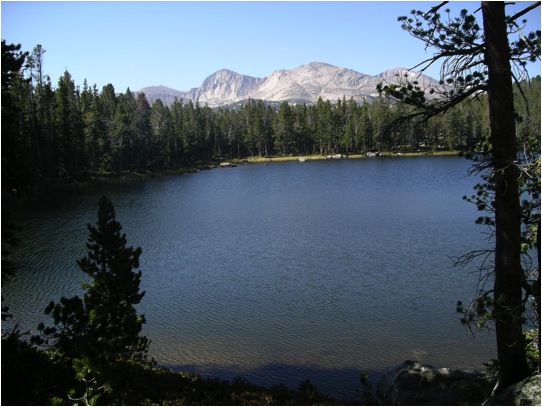
Interested in exploring Colorado’s sublime wilderness and catching brilliant Cutthroat Trout from a pristine glacial Lake but just don’t know how to get started?
Here’s How!
Colorado Free University is hosting classes by Mike Kephart in July & August. Each class includes a guided trip to a high mountain lake. To register go to; www.freeu.com; then select search for classes/register, then recreation and leisure, then recreation. It’s classes # 7714A and B, The first class starts on July 13, 2011.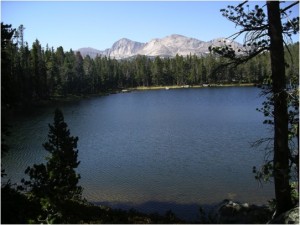
By Mike Kephart AIA on April 18th, 2011

80+ women live long lives in Chernobyl in spite of the danger from radiation, “Home” is that important in their lives? The men died long ago but some 200 women survivors are now outliving their octogenarian counterparts outside the danger zone. (The Today Show, April 18, 2011)
Mike Kephart